
It’s time to build smarter: We Must Stop Building with Combustible Materials. The Case for Metal SIPs in Fire-Prone Areas.
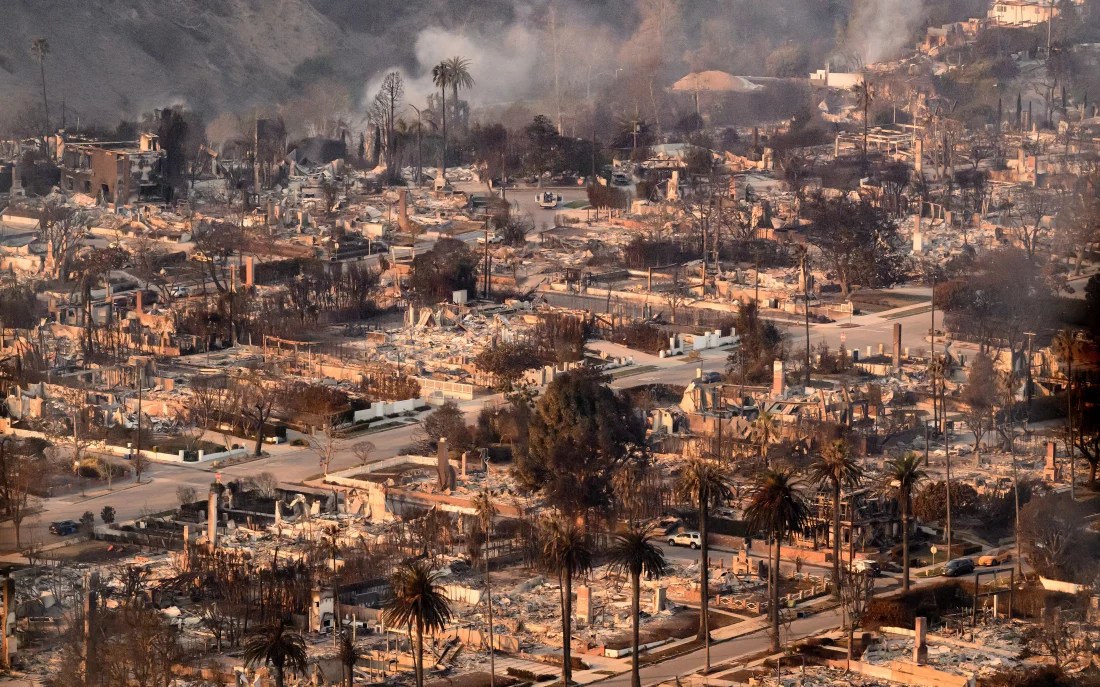
The tragic wildfires in California and Maui and other fire-prone regions have become all too common. Each time, we see images of neighborhoods reduced to ash and families left devastated. But what’s most striking – and frustrating – is that many of these disasters are worsened not by nature alone, but by our failure to build structures that can withstand the environment we now live in.
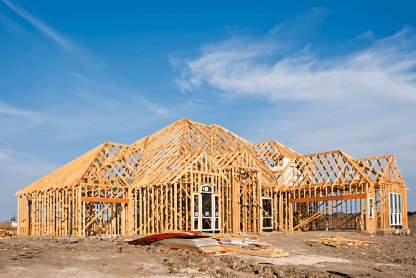
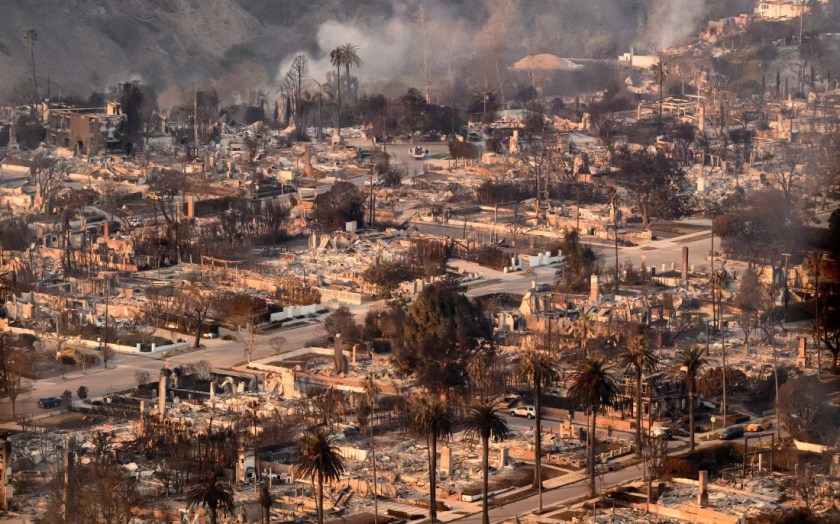
The Problem: We’re Still Building with Materials That Burn
So why are we still building homes like this, especially in areas where wildfire risk is high? The answer lies in a combination of outdated building practices, lack of innovation, and resistance to change within the construction industry.
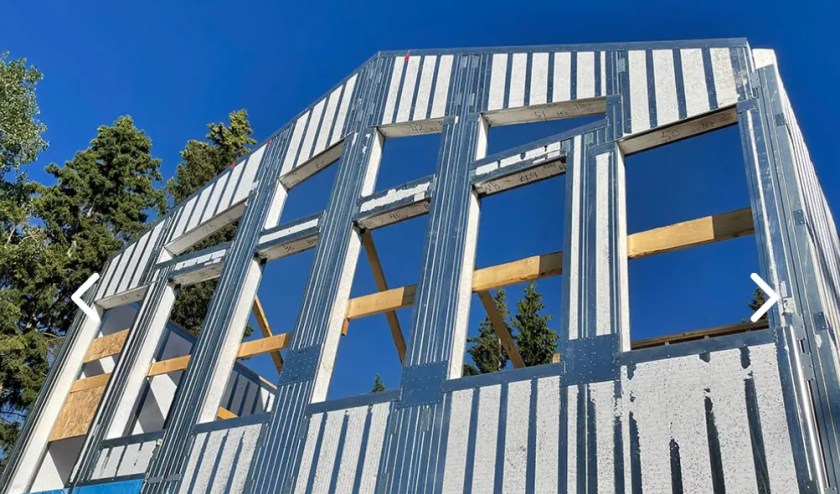
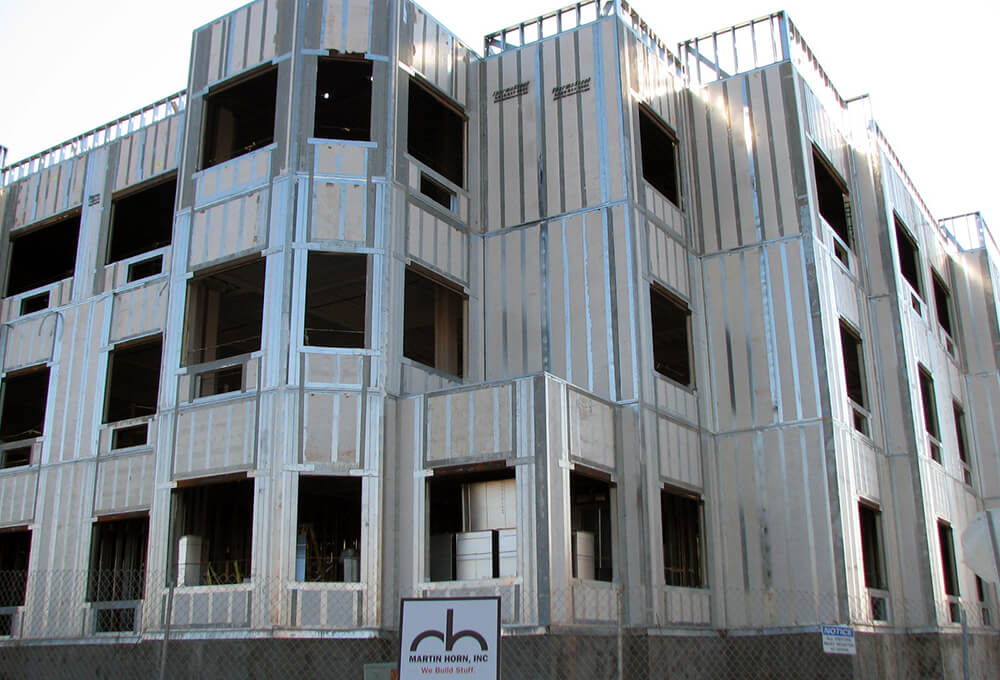
A Solid Non-Combustible Solution: Metal Structural Insulated Panels (Metal-SIPs)
The building industry has a duty to evolve, and Metal SIPs represent a smarter, safer way forward. Unlike wood, metal SIPs are non-combustible and far more resilient to fire. They consist of steel frames encasing a core of expanded polystyrene (EPS) insulation creating a non-combustible home structure while also creating a tight, energy-efficient building envelope.
Here’s why metal SIPs should become the new standard:
1. Fire Resistance
Metal SIPs don’t ignite. When embers land on them, there’s no fuel to feed the flames. This alone could prevent homes from becoming kindling in a wildfire.
2. Structural Integrity
Unlike wood, which burns, warps, and collapses, steel and aluminum maintain their structural integrity far longer under intense heat. This can save lives by giving occupants more time to evacuate.
3. Energy Efficiency
Beyond fire safety, metal SIPs are incredibly energy-efficient, reducing heating and cooling costs. This is critical in regions where extreme weather is becoming the norm.
4. Durability
Metal SIPs don’t degrade over time like wood does. They’re resistant to pests, mold, and rot, and they can last for generations with minimal maintenance.
5. Speed of Construction
Prefabricated SIPs allow homes to be built faster, reducing labor costs and making it easier to replace homes lost to disaster.
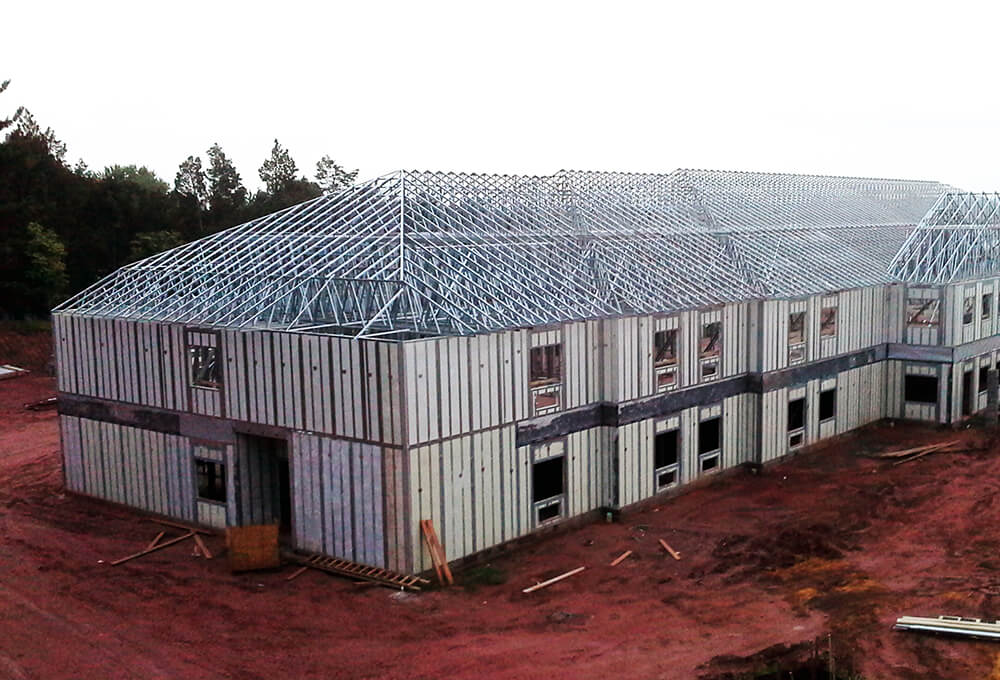
Wood-framed homes have been the standard in residential construction for over a century. But as climate change accelerates, so does the frequency and intensity of wildfires. Timber, while inexpensive and familiar, is highly flammable and contributes to the rapid spread of fire. Embers from a wildfire can land on a home, ignite the wood, and engulf the structure in minutes.
A Call to Action: The Industry Must Wake Up
The time for incremental change has passed. Builders, architects, policymakers, and homeowners must come together to adopt materials and methods that prioritize resilience over tradition. We need building codes that mandate fire-resistant materials like metal SIPs in fire-prone areas. We need incentives for developers to choose these materials and education for consumers to demand them. And we need leaders in the construction industry to embrace innovation, not resist it.
Continuing to build homes with wood in regions known for wildfires is not just irresponsible—it’s reckless. We owe it to future generations to build smarter, safer, and more sustainably. Metal SIPs offer a proven solution that can help us break the cycle of destruction and rebuilding that defines our wildfire response today.
The Bottom Line
The devastation of wildfires is not inevitable. By rethinking the way we build and embracing materials like metal SIPs, we can create homes that stand up to fire, protect lives, and preserve communities. The building industry has the tools and technology to make this change. Now, it needs the will.
The question is: will we continue to rebuild with outdated methods and materials, or will we finally choose progress? Let’s make the choice to build a future where homes don’t burn—and where lives are saved because we built responsibly.
 MetalSIP.org